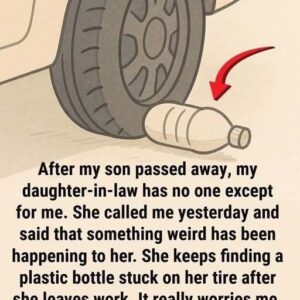
Your car is more than just a vehicle—it’s your personal space, a sanctuary, and often your primary mode of transportation. Most of us assume that once we step inside, we’re safe. However, car doors, especially the passenger-side door, can sometimes act strangely for reasons that are more than just mechanical. Understanding potential risks and knowing how to respond can keep you safe, prevent accidents, and even protect you from criminal activity. In this guide, we’ll explore…Your car is more than just a vehicle—it’s your personal space, a sanctuary, and often your primary mode of transportation. Most of us assume that once we step inside, we’re safe.
However, car doors, especially the passenger-side door, can sometimes act strangely for reasons that are more than just mechanical.Understanding potential risks and knowing how to respond can keep you safe, prevent accidents, and even protect you from criminal activity. In this guide, we’ll explore how to identify issues with car doors, how to respond safely, and steps to maintain overall vehicle security.
Step 1: Inspect the Passenger-Side Door Handle Carefully
One of the first things you should do if your car door acts unusually is to check the passenger-side handle. Sometimes, an obstruction can prevent the lock from working properly, making it difficult or impossible to open the door. Common causes include:
Debris or small objects: Coins, screws, or other small items can get lodged in the handle mechanism. While this may seem like an accident, it can also be a tactic used by criminals to disable the lock, leaving your car vulnerable.Mechanical wear: Over time, door handles can wear down, springs can loosen, and latches can misalign. This can mimic the appearance of tampering but is actually a maintenance issue.
Weather effects: Extreme cold or heat can cause materials to expand or contract, sometimes freezing the mechanism or causing it to jam.
When inspecting the handle:
Look closely for any visible obstruction or unusual marks around the keyhole and handle.
Wiggle the handle gently—do not force it, as excessive force may damage the lock.
If something seems lodged, carefully remove it using gloves or a tool. Avoid using excessive force with metal objects that could scratch or damage the mechanism.If the door handle seems intact but the lock still doesn’t work, it’s time to consider both safety and mechanical troubleshooting. Keep in mind that car criminals sometimes manipulate locks while you’re distracted or away from your car. An obstructed or broken door handle should never be ignored.
Step 2: Stay Aware of Your Surroundings
Your safety depends not just on the mechanical state of your car, but also on your situational awareness. Being alert can prevent accidents and reduce your risk of criminal incidents. Here’s what to consider:
Observe your environment: Before approaching your vehicle, scan your surroundings. Look for unusual movement, people lingering without purpose, or vehicles that seem out of place.
Trust your instincts: If something feels wrong, it probably is. Never ignore that gut feeling. Criminals often rely on the element of surprise and moments of distraction.
Avoid distractions: Keep headphones, phone use, or other distractions to a minimum when approaching or exiting your car. This ensures you’re fully aware of your surroundings.
Check for tampering: Examine your car for scratches, broken locks, or unfamiliar items in and around the doors. Even minor signs could indicate a potential risk.
Situational awareness isn’t just about noticing threats—it’s also about proactive preparation. Carrying a personal safety device, such as a whistle, pepper spray (where legal), or even a flashlight, can provide added security, especially in dimly lit or isolated areas.
Step 3: Never Return to Your Car Alone if You Feel Unsafe
If you notice your door is blocked, malfunctioning, or you feel uneasy about your environment, do not attempt to access your car alone. This is especially important in parking lots, garages, or dark streets. Here’s what to do instead:
Move to a safe location: Step away from the car and move to an area with more people, better lighting, and accessible exits. This could be a nearby store, a security office, or a busy street.
Contact authorities or a trusted person: Call local police or a friend/family member for assistance. Explain the situation clearly, noting any suspicious activity you observed.
Avoid confrontation: Do not attempt to investigate or confront potential intruders. Criminals often take advantage of hesitation or confusion. Your safety is more important than your vehicle.
Document the situation: If safe, take photos of your car’s condition and surroundings. This can help authorities in the event of a crime or mechanical claim.
Returning to a vehicle under unsafe circumstances is one of the riskiest actions you can take. Criminals often target people when they feel isolated or distracted, making vigilance essential.
Step 4: Understand Common Car Door Vulnerabilities
Being aware of how criminals can manipulate car doors will help you take preventative action. Common tactics include:
Slim Jim attacks: A tool designed to manipulate the internal lock mechanism. Keeping doors locked and windows up reduces this risk.
Fake obstructions: Coins, tape, or small items can be placed in or around locks to prevent access or lure you into a vulnerable position.
Broken handles: Damaged or weakened handles can fail when you need them most, sometimes as a result of previous tampering.
By understanding these risks, you can take preventive measures: regularly inspect your locks, maintain your car handles, and keep your doors locked when approaching or leaving the vehicle.
Step 5: Safety Tips for Parking and Approaching Your Vehicle
Your car is only as safe as the steps you take before entering it. Consider the following practices:
Park in well-lit areas: Dark parking lots increase the risk of accidents and criminal activity.Stay aware while walking: Avoid walking with your head down or using your phone excessively.
Keep keys ready: Having your keys in hand allows you to quickly unlock or lock doors if necessary.
Check the interior: Before entering, glance inside your car to ensure no one is hiding inside or tampering with the vehicle.
By combining mechanical vigilance with environmental awareness, you greatly reduce your vulnerability to both accidents and criminal tactics.
Step 6: Maintenance and Preventative Measures
Regular vehicle maintenance also plays a role in personal safety. A door that works properly is not only a convenience but a security feature. Here’s what to do:
Lubricate locks and hinges: Keeping moving parts well-oiled reduces the chance of jamming or breakage.
Check door alignment: Misaligned doors may appear locked when they are not, or may prevent the mechanism from functioning correctly.
Inspect seals and weather stripping: Damaged seals can allow moisture in, causing rust or mechanical failure over time.
Professional inspections: If you suspect tampering or mechanical failure, have a certified technician inspect your locks and handles.
Taking these steps can prevent mechanical issues from turning into security risks, keeping both your vehicle and yourself safe.
Step 7: Emergency Protocols
In case you encounter a suspicious obstruction or feel unsafe near your car:
Do not panic: Stay calm and composed.
Keep doors locked: Only unlock the door once you’re sure it’s safe to enter.
Call for help: Contact local authorities or a friend/family member.
Move to safety: Step back to a well-lit, populated area if necessary.
Wait for assistance: Avoid returning alone until you’re certain the environment is safe.
Practicing these protocols regularly can make them instinctive, reducing reaction time in real situations.
Step 8: The Importance of Awareness and Preparation
Mechanical issues and potential criminal activity are unpredictable. By maintaining awareness, inspecting your vehicle, and adopting preventive habits, you improve your chances of staying safe. Being alert doesn’t mean being paranoid—it means being prepared.
Some additional tips:
Use your horn: If approached suspiciously, your car horn can alert others nearby.
Keep personal safety tools handy: Carry a whistle, flashlight, or legal self-defense device.
Buddy system: Walk with a friend when possible, especially at night.
Report suspicious activity: Alerting authorities early can prevent incidents and keep your community safer.
Step 9: Recognize the Signs of Potential Threats
Being able to identify early warning signs is critical. These may include:
Unfamiliar objects near or on the door handle.
Vehicles or individuals lingering near your car without apparent purpose.
Attempts to engage you in conversation while blocking exits.
Distinct scratches, tape, or marks on the door or lock area.
By spotting these signs early, you can respond proactively rather than reactively, which dramatically increases your safety.
Conclusion
Your car door is more than a mechanical entry point—it is a first line of defense. Paying attention to its function, your surroundings, and potential risks can help protect you from accidents, mechanical failures, and even criminal activity.
Key takeaways include:
Inspect your passenger-side door handle for obstructions or tampering.
Stay alert and aware of your environment, especially in isolated areas.Never approach a potentially unsafe car alone; seek assistance.
Maintain your vehicle’s locks and mechanisms to reduce mechanical risks.
Develop emergency protocols and preventive habits for greater security.
By combining vigilance, preparation, and common-sense safety practices, you can reduce the likelihood of encountering dangerous situations and ensure that both you and your vehicle remain protected.
Staying cautious and prepared is not about fear—it’s about empowerment, allowing you to navigate daily life confidently and safely.
Remember: the combination of awareness, preparedness, and proper vehicle maintenance is one of the most effective ways to protect yourself and your loved ones.
A seemingly minor mechanical issue or unusual obstruction can serve as a warning sign—treat it seriously, follow these steps, and prioritize your safety above all else.